RAF and USAF integrate capabilities in Air Combat Exercise
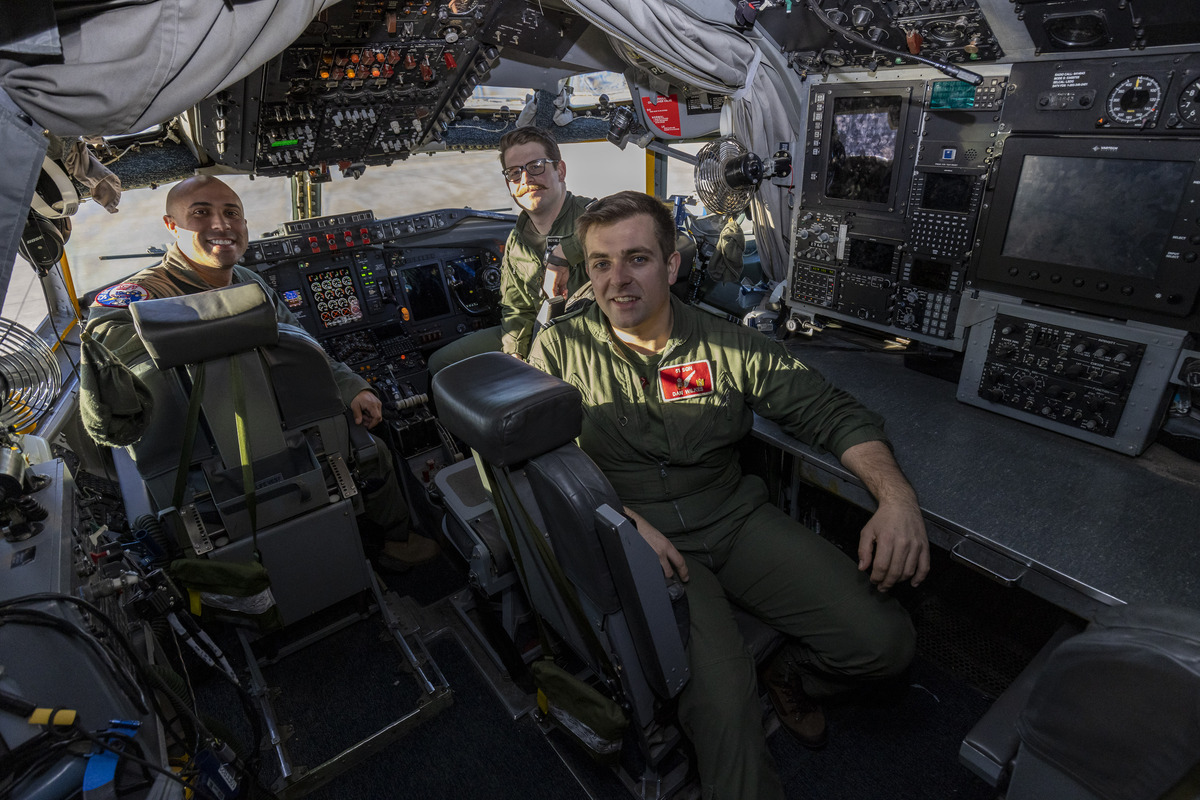
Above:
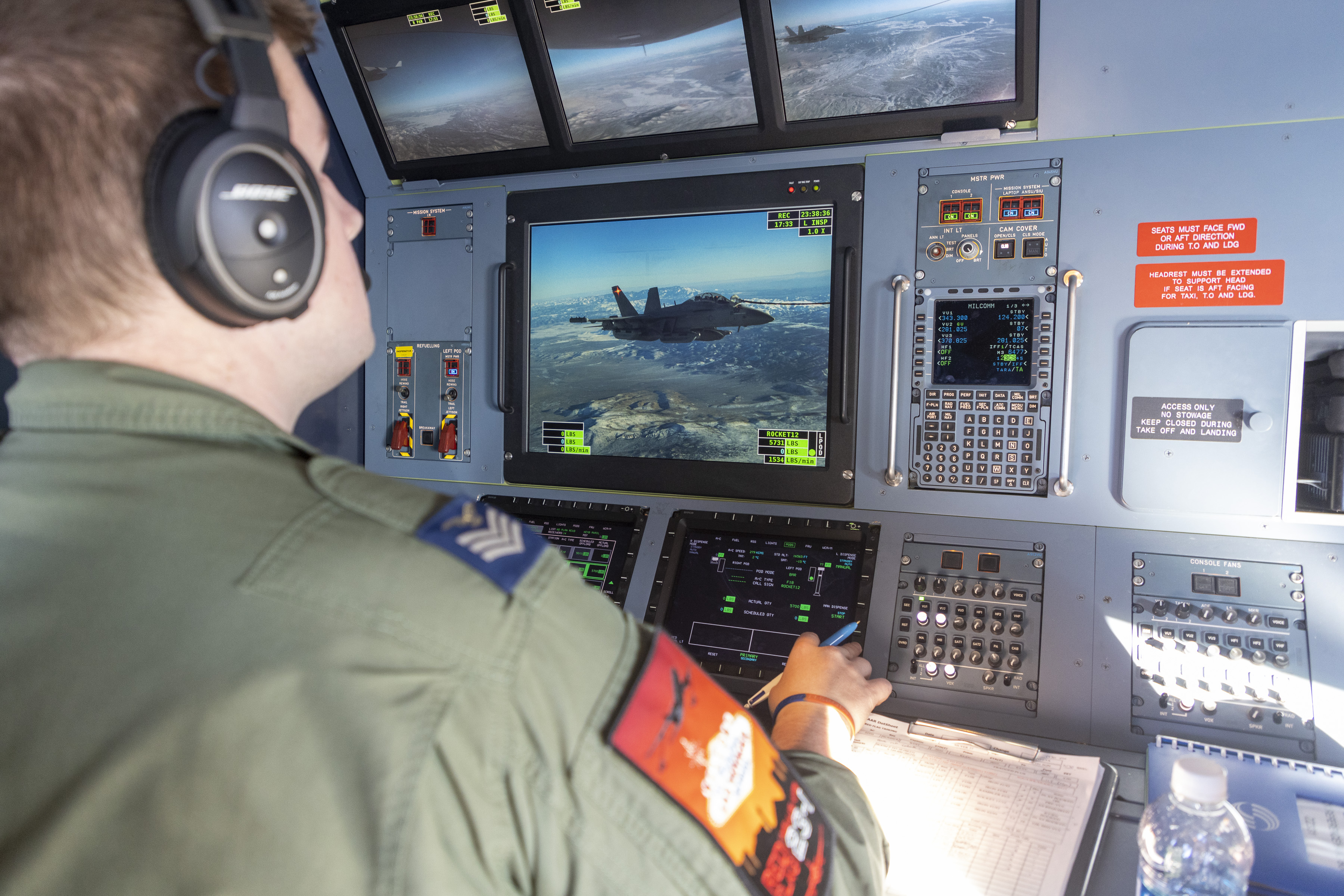
Aircrew inside the RC 135 Rivet Joint.
Courtesy RAF
Exercise RED FLAG is the pre-eminent annual air combat training exercise run by the United States. The United States Air Force has expanded this long-established exercise to include a vastly increased geographical area to challenge participants to overcome what United States Air Force planners are calling the ‘Tyranny of Distance’ in addition to the traditional combat air missions of previous exercises.

The Exercise has previously been run over the Nevada Test and Training Range and area of 12,000 square miles of airspace and 2.9 million acres of land. Now training areas in Utah and California have been added, as well as missions being flow out over the Californian Pacific Coast. The exercise area has therefore become vast and is aimed to reflect the challenges of conducting air operations at range.
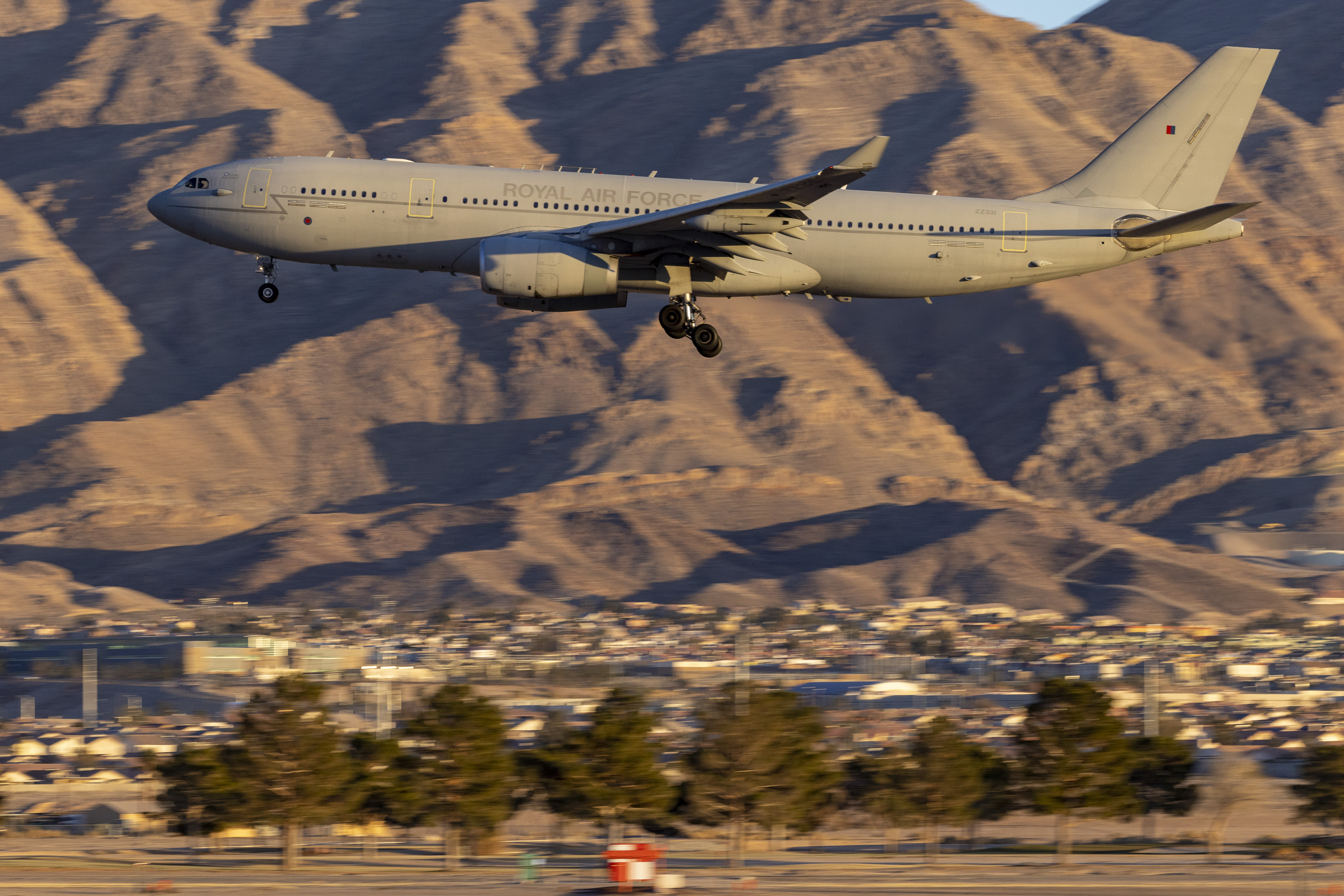
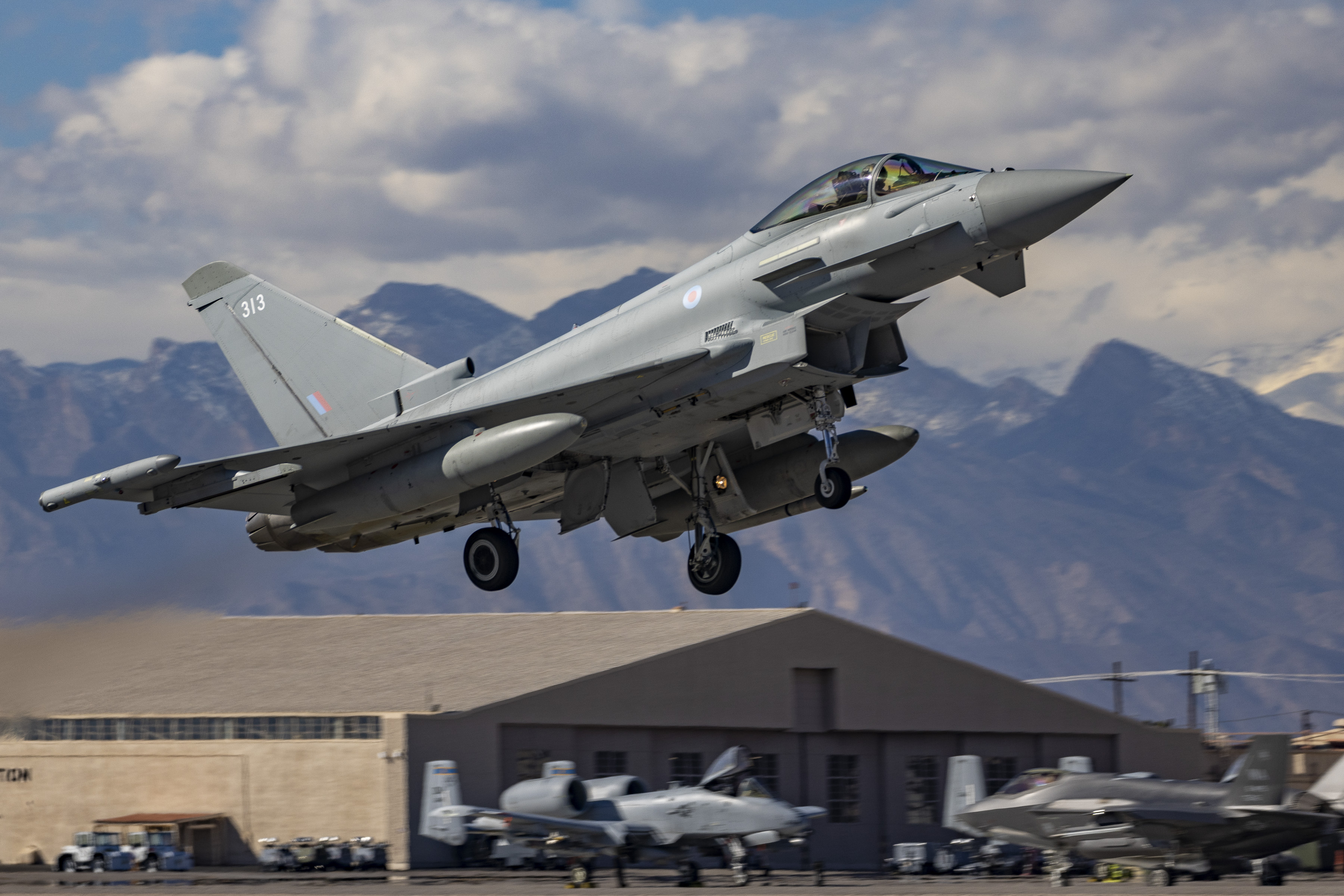
The RAF detachment of around 300 personnel currently taking part on the exercise is operating seven Typhoons from RAF Lossiemouth based II (Army Cooperation) Squadron, plus a Voyager operated from 10 and 101 Squadron based at RAF Brize Norton.
In addition, aircrew from 51 Squadron based at RAF Waddington in Lincoln, have been integrated into the flight crew of a United States Air Force RC-135 Rivet Joint intelligence gathering aircraft. This is the first time that an integrated crew has flown on the exercise for several years and is one element of the newly expanded but long-established exercise.
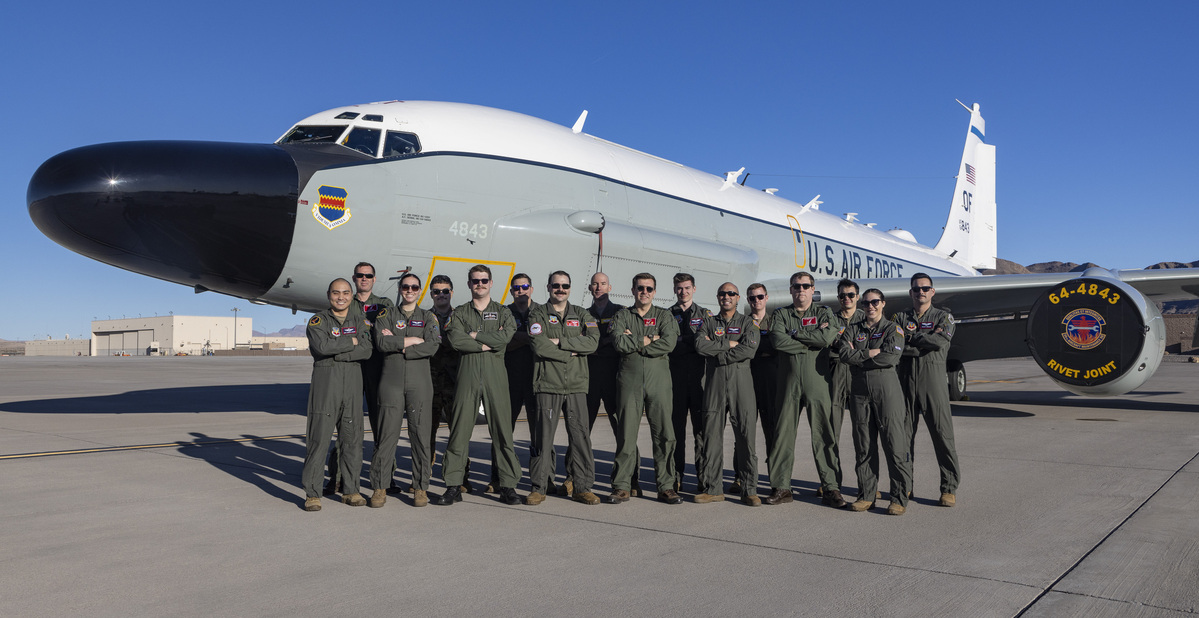
The 51 Squadron detachment is led by Flight Lieutenant Wilkes, RAF Navigator. He said: "This exercise is an extremely important opportunity for us to integrate and work with our United States Air Force colleagues. With the high operational tempo of the squadron, the opportunity to conduct such high intensity training that the exercise offers, is extremely valuable. It gives an opportunity to develop 51 Squadron aircrew as a whole, as we will be able to share our experiences on our return to the squadron."
Australia is the only other nation participating, reflecting the close Defence partnership between our three countries.
Air Commodore Edwards, Combat Air Force Commander, RAF, said: "This is the most important exercise that the RAF participates on each year. There are a number of reasons for this. First and foremost, the scale and complexity of the exercise tests all of the participants in a way that just does not exist anywhere else in the world.
"The original intent of the exercise was to seek to replicate the first 10 combat missions a fast jet aircrew will face in combat, as to survive those missions meant, they were more likely to survive sustained combat missions. Now the exercise has developed and evolved to what it represents today and recognises the threats that have evolved and so the exercise has evolved to represent them."
Colonel Jared Hutchinson, Commander of the United States Air Force's 414th Combat Training Squadron, said: "In this iteration, the allied force will be presented with many new and emerging real-world tactical problems that enables them to learn in the world’s best combat training environment while writing the next chapter of our resilient heritage. Our allies are one of the greatest strategic assets we have in protecting our nations."
During the exercise the RAF Typhoons and Voyager will join with combat aircraft from the United States Air Force, the United States Navy, the United States Marine Corps and the Royal Australian Air Force. As part of the exercise the pilots and aircrew will face simulated ground-based air defence systems, as well as aggressor aircraft that will simulate a peer adversary, together with cyber and space-based threats as combat missions are planned conducted and debriefed.