Skydweller autonomous solar-powered aircraft completes first flight
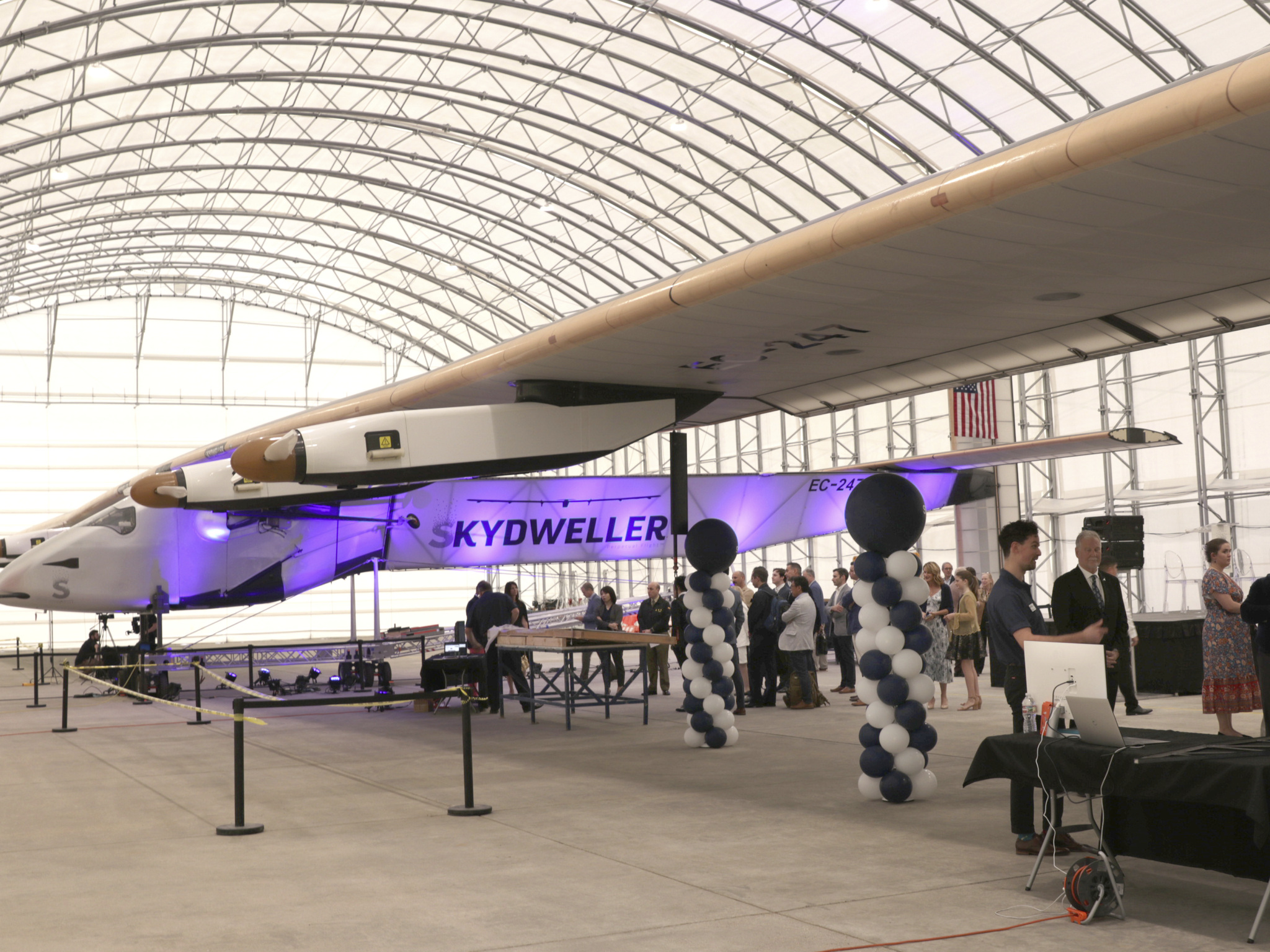
Image courtesy Skydweller Aero
The aircraft’s manufacturer, Skydweller Aero, which is the only global manufacturer of large, autonomous solar-powered aircraft capable of perpetual flight, conducted the flight from Stennis International Airport, USA. Robert Miller, CEO, Skydweller Aero, said: “This is a true, world-changing first in the aerospace industry.

“Our fleet of uncrewed aircraft will enable a multitude of long-duration missions that support national security and non-terrestrial communications with revolutionary cost savings.”
Skydwellers can be deployed for long-duration missions such as providing continuous aerial overage above conflict zones, surveilling naval activity in contested waters without risking pilots’ lives, detecting drug smugglers and pirates at sea and tracking wildlife migration and poaching in Africa.
“This really is a first when it comes to national security and protecting Americans,” said Senator Roger Wicker, ranking member of the US Senate Armed Services Committee who unveiled a Skydweller aircraft to the public last month. “It really is great news and it’s only the beginning.”
Skydweller aircraft are capable of perpetual flight, staying aloft for 90 days or more, at altitudes of up to 45,000 feet. In contrast, current combustion-powered aircraft, including piloted aircraft and drones, are limited to approximately 40 hours maximum flight time, limited by the endurance of pilots, the amount of fuel a conventional aircraft can carry and the need for frequent maintenance.
“We are applying cutting-edge, 21st century materials science, artificial intelligence and software development to an industry that has spent more than 100 years building piloted, combustion-based aircraft,” Miller continued. “This allows Skydweller to leap ahead of heritage aircraft manufacturers in terms of aircraft performance, flight duration and cost effectiveness.”
Skydwellers can accomplish missions with a single aircraft that has historically required a fleet of conventional aircraft, flight crews and maintenance personnel. A single Skydweller aircraft capable of perpetual flight, coupled with minimal operating personnel, replaces all of this cost for the same mission. As such, solar-powered Skydwellers are 10 to 100 times less expensive to operate than conventional aircraft for long duration missions.
Furthermore, autonomous aircraft directly save lives by removing the need for flight crews to be physically present in hostile or dangerous airspace. For example, a Skydweller aircraft can take off from the United States, fly itself to the South China Sea and stay in the air on mission for weeks or months before returning home. Additionally, autonomy enables not just traditional long-duration missions but also new missions that would have formerly been deemed unacceptable due to risk to the flight crew.